IPSA-USP

Concepts, Methods and Techniques in
Political Science, Public Policy
and International Relations

Meet our
Faculty

Bringing together the best researchers and most innovative teachers from North America, South America and Europe

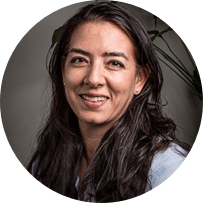
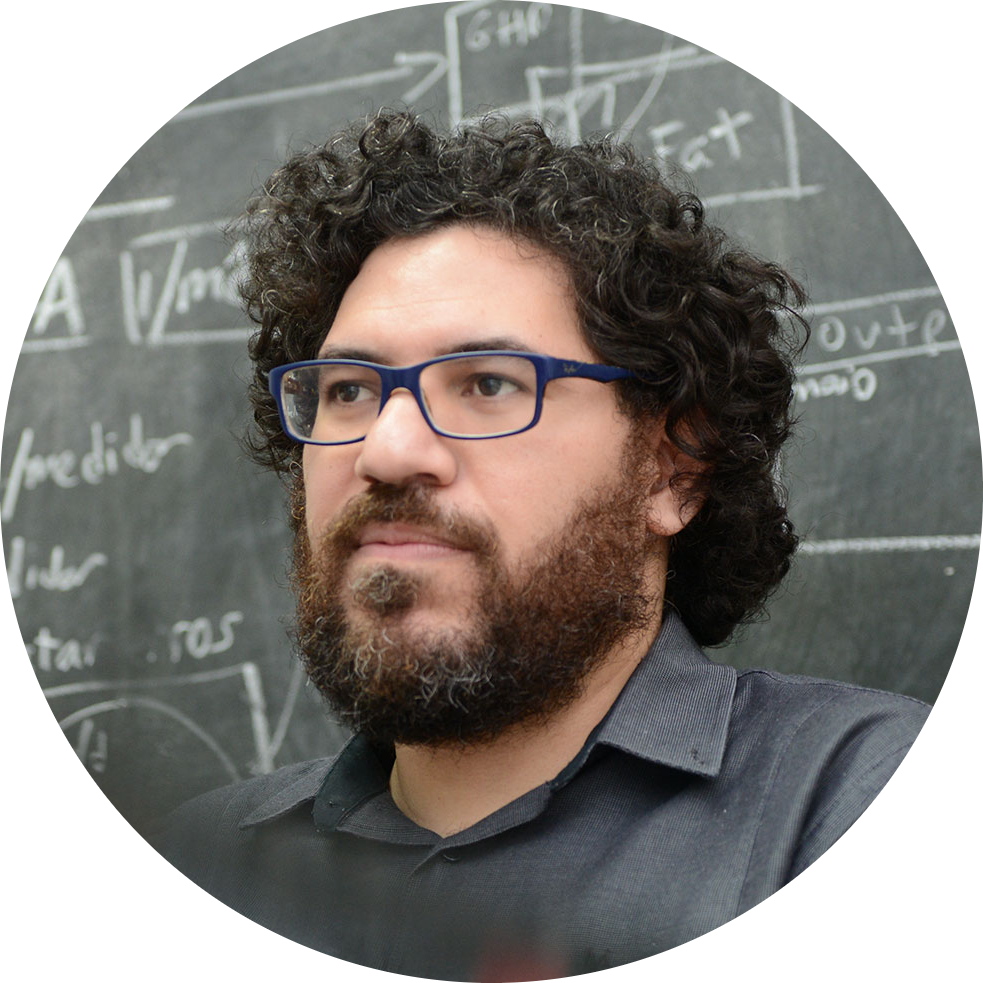
Lorena Barberia,
University of São Paulo, Brazil

Lorena G. Barberia is an Associate Professor in the Department of Political Science at the University of São Paulo. Her research and teaching focus on quantitative methods, comparative political behavior, and public policy, with particular expertise in time-series analysis. At USP, she teaches quantitative methods at the undergraduate and graduate levels. She served as Chair of the IPSA-USP Summer School Faculty Coordinating Committee from 2015 to 2021 and currently serves on the committee.

Derek Beach,
University of Aarhus, Denmark

Derek Beach is Professor of Political Science at Aarhus University. His research and teaching focus on case-study methodology, process tracing, policy evaluation, international negotiations, referendums, and European integration. With Rasmus Brun Pedersen, he co-authored Process-Tracing Methods: Foundations and Guidelines (2nd ed., University of Michigan Press, 2019) and Causal Case Study Methods: Foundations and Guidelines for Comparing, Matching, and Tracing (University of Michigan Press, 2016). He has taught at the ECPR, IPSA, APSA, and ICPSR methods schools and has conducted evaluations for United Nations agencies and the World Bank. He is Vice Chair for External Affairs and responsible for the Summer School on the MethodsNET Executive Board.
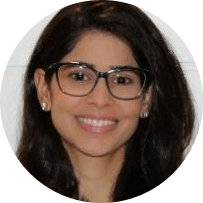
Natalia Nahas Carneiro Maia Calfat

Natália Nahas Carneiro Maia Calfat,
University of São Paulo,
Brazil

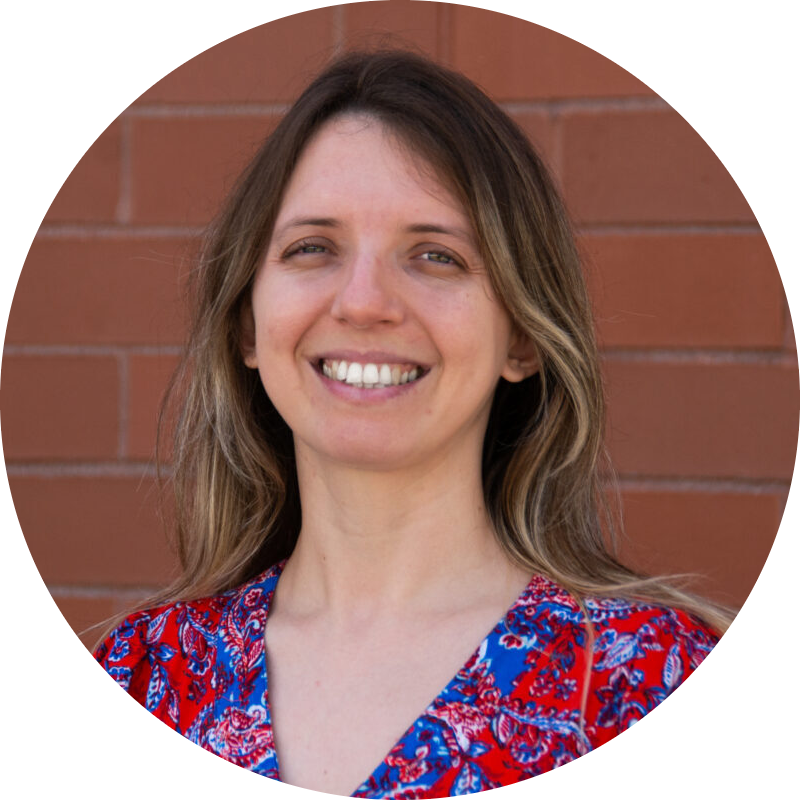
Natália Nahas Carneiro Maia Calfat holds a PhD and an MA in Political Science from the University of São Paulo. Her research focuses on the comparative politics of the Middle East and North Africa, ethnoreligious conflict, power-sharing, minority identity and representation, and qualitative methods, especially case studies. She is a researcher with USP’s Working Group on the Middle East and Muslim World, President of the Institute for Arab Culture (ICArabe), and a board member of IPSA’s Research Committee on Politics and Ethnicity (RC14). She was a visiting scholar at Harvard University in 2019 and has served as a teaching fellow at the IPSA-USP Summer School.

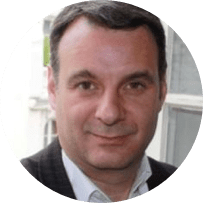
Bruno Cautrès,
Sciences Po,
France

Bruno Cautrès is a CNRS Research Fellow at CEVIPOF-Sciences Po. His research focuses on political behavior and attitudes, elections, survey research, and quantitative methods. He participates in major comparative survey programs, including the ISSP, ESS, EVS, and EES, and teaches political science, political sociology, and quantitative methods. He has taught at the ECPR Methods School.
Manoel Galdino

Manoel Galdino,
University of São Paulo,
Brazil

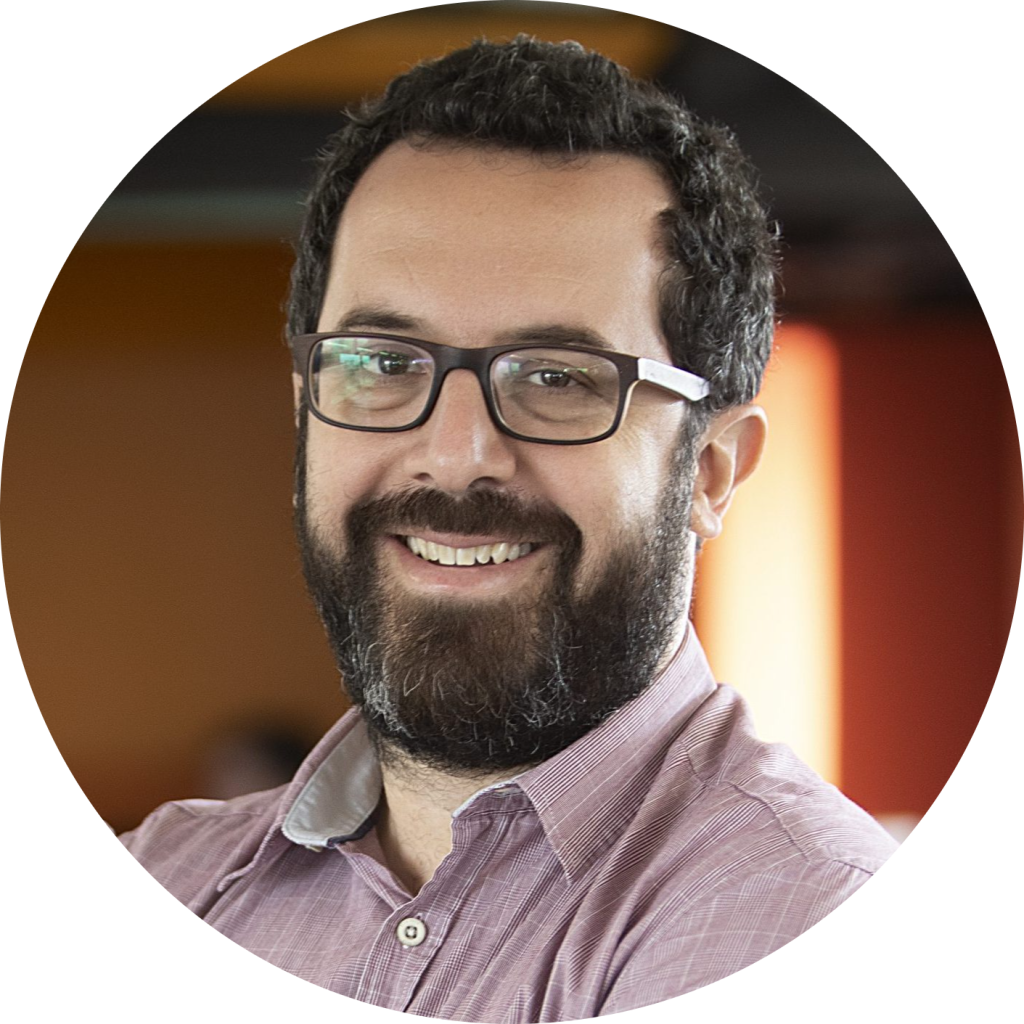
Manoel Galdino is Professor of Political Science at the University of São Paulo. He holds a BA in Economics and an MA and PhD in Political Science from the University of São Paulo. He served as Executive Director of Transparência Brasil from May 2016 to September 2022. He is a member of the IPSA-USP Summer School Organizing Committee. He directs CSEX and is affiliated with CAENI-USP. He advises private-sector organizations on AI and works as an impact evaluation consultant for the Inter-American Development Bank (IDB). His research focuses on international political economy, Brazilian foreign policy, public policy, corruption, causal inference, and applications of AI to academic research.

Natália de Paula Moreira,
Wesleyan University,
USA

Natália de Paula Moreira is a Postdoctoral Research Fellow at Wesleyan University. She received her PhD in Political Science from the University of São Paulo in 2021, where she also earned an MA in Political Science and a BA in Social Sciences. Her research focuses on public opinion, public policy, and political methodology. She was a visiting student in the Department of Political Science at Texas A&M University in 2017–2018 and has taught Survey Design and Analysis at Wesleyan’s Quantitative Analysis Center.

Jaye Seawright,
Northwestern University,
USA

Jaye Seawright is Professor of Political Science at Northwestern University. Her research focuses on causal inference, multi-method research, inequality and representation, political parties, and political behavior, with regional expertise in Latin America. She holds a PhD and MAs in Political Science and Statistics from the University of California, Berkeley.

Glauco Peres da Silva,
University of São Paulo,
Brazil

Glauco Peres da Silva is Professor with Habilitation in the Department of Political Science at the University of São Paulo. His research focuses on elections, political parties, electoral geography, and political methodology. He has taught mathematics and statistics, regression analysis, and parametric models at the IPSA-USP Summer School since 2012. Since the 2023 edition, he has served as Chair of the IPSA-USP Summer School Organizing Committee.
Yamil R. Velez

Yamil R. Velez,
Columbia University,
USA

Yamil R. Velez is Assistant Professor of Political Science at Columbia University. His research examines how the quality of political information shapes political engagement and representation. His recent work studies how generative AI and adaptive surveys can improve the study of public opinion. His work has appeared in the American Political Science Review, Proceedings of the National Academy of Sciences (PNAS), Journal of Politics, and Political Analysis. He holds a PhD in Political Science from Stony Brook University.

Guy Whitten,
Texas A&M University,
USA

Guy D. Whitten is Professor and Head of Political Science and holds the Bob Bullock Chair in Public Policy and Finance at Texas A&M University. His research and teaching focus on comparative public policy, political economy, and political methodology. His work has appeared in leading journals including the American Journal of Political Science, British Journal of Political Science, Journal of Politics, and Political Analysis. He currently serves on the editorial boards of Political Analysis and Political Science Research and Methods.